

Find a Health Professional
If you are on the Main Campus experiencing a life threatening medical emergency, call the Georgetown Emergency Response Medical Service (GERMS) at 202-687-4357.
If you are on the Law Campus experiencing a life threatening medical emergency, dial 911.
For other student health services on Georgetown University’s main campus, consult the information below.
MENTAL HEALTH EMERGENCIES
After-Hours:
Dial (202) 687-6985 to be connected through a page operating system to a trained behavioral specialist who will provide problem-solving support to help you manage your emergency.
Business Hours:
Dial (202) 687-6985
MEDICAL EMERGENCIES & AMBULANCE
Dial GERMS (202) 687-4357
MEDICAL CARE
MedStar Georgetown Student Health Center
The physicians and nurse practitioners at the Student Health Center provide primary medical care for a range of health needs at two locations.
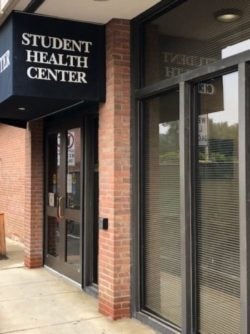
Location – Main Campus
Note:
We are located between Epicurean Restaurant and St. Mary’s Hall on the ground floor of Darnall Hall (West side). Look for our blue awning.
MAIN CAMPUS SPRING HOURS 2024
Mon 8:00am – 5:00pm
Tue 9:00am – 5:00pm
Wed 8:00am – 5:00pm
Thu 8:00am – 5:00pm
Fri 8:00am – 5:00pm
Sat 9:00am – 12:00pm
Sun CLOSED
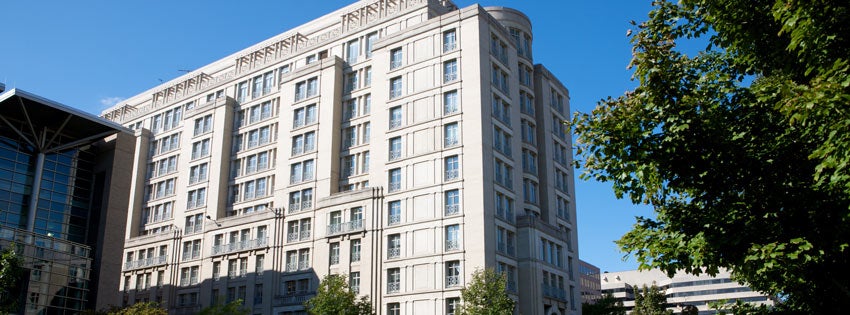
Location – Law School Campus
Gewirz Student Center
Lower Level, Suite LL102
120 F St NW, Washington, DC 20001
LAW CENTER SPRING HOURS 2024
Mon 8:30am – 4:30pm
Tue CLOSED
Wed 8:30am – 4:30pm
Thu 8:30am – 4:30pm
Fri CLOSED
Sat & Sun CLOSED
Appointment Line (Main Campus and Law Center)
202-687-2200
After-Hours
For urgent health concerns after hours and during holiday closures, please call the page operator at 202-444-7243 and ask for the Student Health Center provider on call.
COUNSELING & MENTAL HEALTH
Counseling and Psychiatric Service (CAPS)
We provide psychological and psychiatric services for a variety of mental health issues.
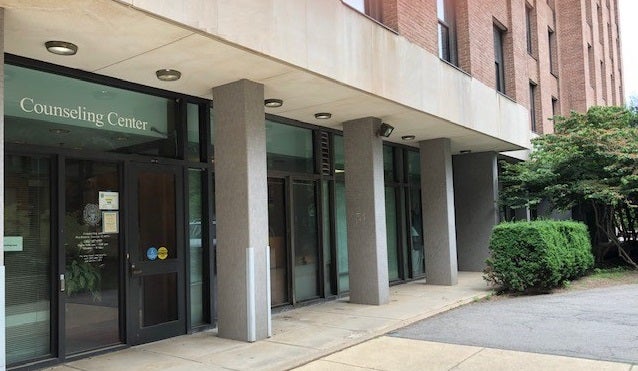
Location-Main Campus
Ground Floor, East side of Darnall Hall
Note: Take the footpath to the east side of Darnall Hall.
Appointments
For initial visits, call or walk in during business hours.
Phone: (202) 687-6985
After-Hours Emergencies
Call (833) 960-3006 to be connected through a page operating system to a trained behavioral specialist who will provide problem-solving support to help you manage your emergency.
Business Hours
Mon – Fri 9:00am – 5:00pm
Sat & Sun CLOSED
HEALTH EDUCATION SERVICES
Health Education Services (HES)
If you are coping with a personal student health issue or crisis, our clinicians are available to provide professional advice and guidance. HES also provides health promotion programming and trainings for students.
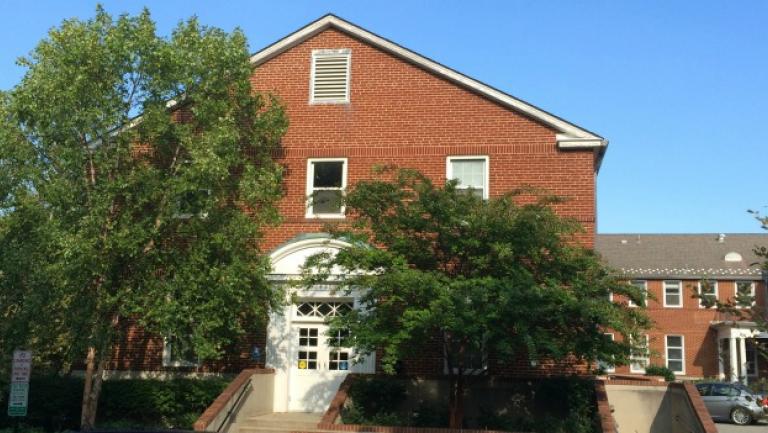
Location-Main Campus
1437 37th St NW
Poulton Hall, Suite 101
Note: We are located in the building next to the Center for Social Justice, on the corner of 37th St. and P St.
HES maps & directions
HES Facebook
HES Twitter
Appointments
For non-urgent issues, we request that you schedule an appointment with a Health Education Services clinician. Our clinicians see students around alcohol and other drugs, stress management, sexual assault, relationship violence, stalking, nutrition, body image, eating disorders, sexual health, and pregnancy.
Phone: (202) 687-8949
Business Hours:
Mon – Fri 10:00am – 5:00pm
Sat & Sun CLOSED